Editorial Package
- Target Keyword: Brazil long-distance bus travel tips for tourists
- Editorial Summary: A practical guide for international travelers using Brazil’s interstate bus network, with ANTT passenger-rights guidance, booking tips, luggage basics, station safety, and timing advice.
- Production Date: 2026-05-17
- Published on WordPress: No
Brazil Long-Distance Bus Travel Tips for Tourists
Brazil’s domestic flight network is large, but long-distance buses still matter. For many routes, especially when you want to control costs or reach interior destinations, interstate coaches are part of the real travel system. For international travelers, the challenge is not whether buses exist. It is how to use them confidently in a country with long travel times, large terminals, and rules that may be unfamiliar.
Why This Brazil Travel Experience Matters
This guide is for budget travelers, slow travelers, and anyone linking major cities with smaller destinations. One to two bus trips is often enough to understand whether this style works for you. The main challenge is that Brazilian distances are serious. Overnight buses can save a hotel night, but they also require discipline with luggage, timing, and station awareness. What makes the experience genuinely Brazilian is that intercity bus travel connects you to the scale of the country in a way flights often hide.
The federal transport regulator ANTT publishes current passenger-rights guidance for interstate services, including rebooking, refunds, delays, complaint channels, and when companies must provide assistance.
How to Get There and Move Around
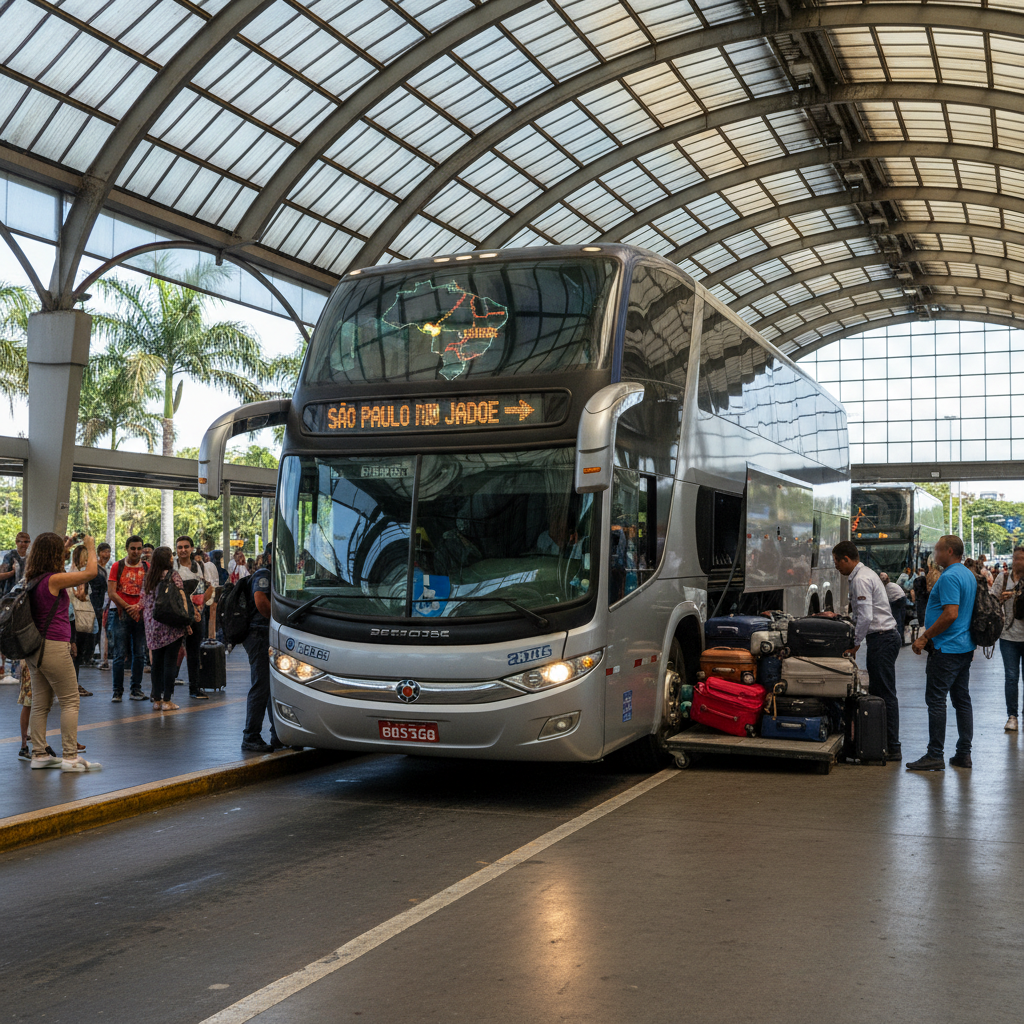
Most trips begin at a rodoviária, the intercity bus terminal. You will usually take a taxi, ride app, metro, or local bus to reach it. Buy tickets through official operator channels or at the terminal, especially if you are not fluent in Portuguese and want to avoid confusion.
Quick Logistics Overview
- Best arrival city: any major hub with a large rodoviária, such as São Paulo, Rio, Salvador, or Belo Horizonte
- Nearest terminal: depends on route and city
- Best way to get around: ride app or taxi to and from the station, then official interstate coach
- Average transfer time: arrive 45 to 60 minutes early for unfamiliar terminals
- Road or transport warning: travel times can be long and traffic or weather may affect arrival
- Best time of day to travel: daylight for first-time users, overnight only when you are comfortable with the system
Practical Quick Guide
Top Experiences
- Using an overnight coach wisely: It can be practical on very long routes, but only if you are comfortable sleeping lightly and managing valuables.
- Connecting to smaller destinations: Buses often make inland or regional travel easier than flight-plus-transfer combinations.
- Watching landscapes change: This is one of the few ways to feel Brazil’s geographic scale in real time.
- Learning the rodoviária routine: Once you understand boarding, platforms, and timing, bus travel becomes much less stressful.
- Traveling with passenger-rights awareness: ANTT notes that travelers have rights around delays, refunds, rebooking, and complaints.
SEM FIO Travel Tip:
Keep your passport or main travel ID, phone, charger, medication, and one layer of clothing in your cabin bag, not in luggage stored underneath the bus.
What to Eat and Drink
Long-distance bus food planning is simple: eat lightly before departure and carry water, a snack, and tissues. Station food quality varies a lot. Some major terminals have reliable chain counters, while others are basic. For overnight trips, avoid starting with a heavy meal if motion sickness or strong air-conditioning tends to bother you. On shorter daytime routes, buy water before boarding so you do not depend on uncertain rest-stop options.
Safety and Cultural Etiquette
Use official operators and official sales channels. ANTT advises passengers to choose authorized companies selling through terminals or official channels. Keep valuables on your person, not loose in the seat pocket. Do not assume everybody around you speaks English. Screenshot your ticket, platform details, and destination name in Portuguese. ANTT’s passenger-rights guidance states that when a delay or interruption of more than three hours is the company’s responsibility, passengers are entitled to support such as food and lodging while the situation lasts. The agency also states that tickets remain valid for one year from first issue and can be rebooked within that validity period. If you face an issue, ANTT directs passengers to official complaint channels including 166 and Fala.BR.
Estimated Costs
What Affects Your Budget
- Route length: Brazil’s distance is the main price driver
- Service class: conventional, semi-sleeper, or sleeper coach
- Season: holidays and major events affect availability and pricing
- Booking timing: some routes cost more close to departure
- Station transfers: taxi or ride-app costs can add up
- Luggage needs: extra baggage rules may vary by operator
- Comfort preference: better seats can justify higher fares on long routes
All costs are estimates and may change with season, route, operator, class, and exchange rate.
What to Pack
- Passport or travel ID easy to reach
- Portable charger
- Light sweater for cold air-conditioning
- Water and simple snacks
- Neck pillow or eye mask for long routes
Common Mistakes to Avoid
- Arriving at the rodoviária too late for a first trip
- Putting medication or valuables in checked luggage
- Booking the longest overnight route of your trip without prior bus experience
- Assuming a delayed trip gives you no passenger rights
Suggested Itinerary
Day 1
- Morning: reach the terminal early and confirm platform details
- Afternoon: board, settle in, and organize valuables
- Evening: keep your destination info ready and rest when possible
Day 2
- Morning: arrive, use an official taxi or ride app from the station
- Afternoon: check in and recover before sightseeing
- Evening: choose a lighter local plan instead of a packed arrival day
Day 3
- Morning: decide whether bus travel worked well for your next leg
- Afternoon: compare future routes with flights or private transfers
- Evening: book the next segment only once you understand timing and comfort needs
Final Thoughts
Brazil’s interstate buses can be a useful tool, not just a budget compromise. If you use official operators, know your rights, and plan around the real scale of the country, bus travel becomes much easier. The smartest approach is to use it selectively: on routes where cost, scenery, or access matter more than raw speed.
References:
- ANTT, Passenger Rights and Duties: https://www.gov.br/antt/pt-br/assuntos/passageiros/viajantes/direitos-e-deveres
- ANTT, Bus travel rights guaranteed by law: https://www.gov.br/antt/pt-br/assuntos/ultimas-noticias/vai-viajar-de-onibus-conheca-seus-direitos-garantidos-por-lei
- ANTT, Passenger transport overview: https://www.gov.br/antt/pt-br/a-antt/o-transporte-de-passageiros